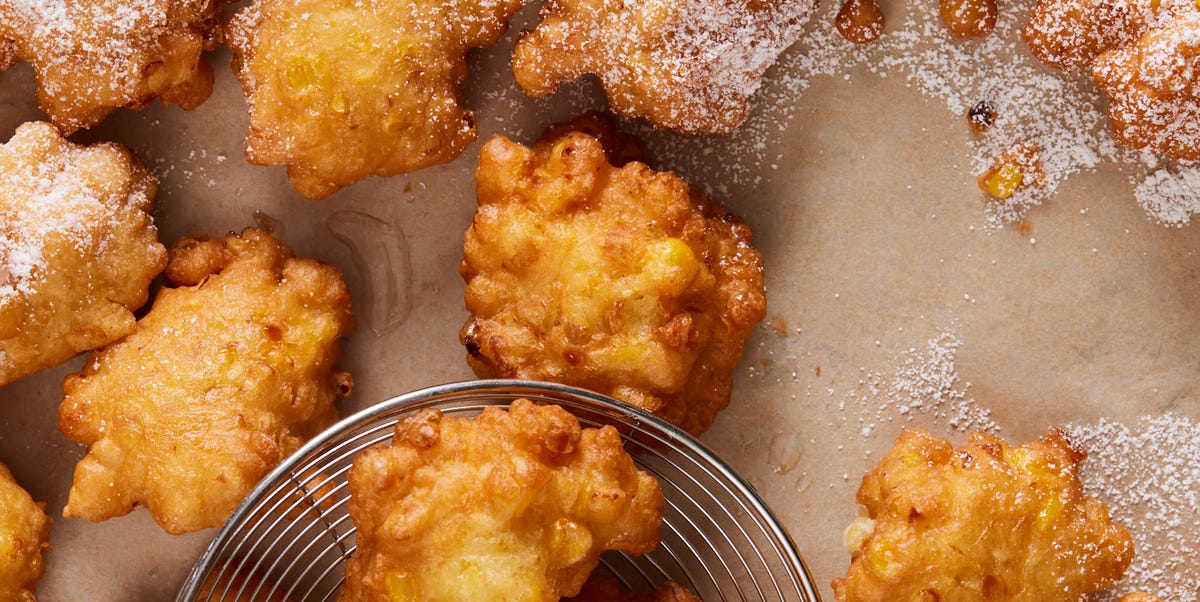
Mastering the Art of Corn Fritters: From Sweet Kernels to Savory Perfection
There’s something undeniably comforting about a plate of perfectly cooked corn fritters. These golden, crispy bites, with their soft, pillowy centers and bursts of sweet corn, are a true Southern delight. Whether served as a delightful snack, a versatile side dish, or an impressive appetizer, classic Southern corn fritters have a universal appeal. But what makes the *best corn fritters*? It boils down to a few key elements: the quality of your corn, smart flavor enhancements, and precise cooking techniques. This comprehensive guide will help you elevate your corn fritters recipe from good to absolutely unforgettable.
The Heart of the Fritter: Fresh vs. Frozen Corn
The choice of corn is perhaps the most critical decision when crafting your fritters, directly impacting their sweetness, texture, and overall appeal. While the reference context highlights options, let's dive deeper into how each choice affects your final dish and crucial preparation tips.
Embracing Fresh Sweet Corn
When sweet corn is in season during the warm summer months, there's truly no substitute for its vibrant flavor and tender pop. Fresh corn, cut straight off the cob, offers an unparalleled natural sweetness that caramelizes beautifully when fried, adding an irresistible depth to your fritters. The kernels retain a delightful texture that contrasts wonderfully with the soft batter. If you opt for fresh corn, ensure it's at its peak – plump, bright, and milky. To prepare, simply stand the cob upright in a large bowl and carefully slice downwards with a sharp knife, rotating the cob as you go. This method helps contain the kernels and any residual milk, which adds to the corn's natural sweetness.
Leveraging Frozen and Canned Corn
For those craving the deliciousness of a corn fritters recipe outside of peak season, frozen or canned corn are excellent, convenient alternatives. Modern freezing techniques do a remarkable job of preserving corn's flavor and texture. However, the key to success with either of these options is meticulous drying.
- Frozen Corn: Thaw completely before use. The most effective way to dry frozen corn is to spread it in a single layer on a clean kitchen towel or several layers of paper towels, then gently pat it dry. Repeat this process until you’re confident that most of the excess moisture has been absorbed.
- Canned Corn: Drain thoroughly using a fine-mesh sieve. Just like with frozen corn, spread it out and pat it dry with paper towels.
Why is thorough drying so important? Excess moisture, whether from thawing ice crystals or canning liquid, will seep into your batter, making it watery. This leads to several undesirable outcomes: a less crispy fritter (as the water steams rather than fries), a weaker corn flavor, and a higher chance of the fritters absorbing too much oil, resulting in a greasy product. Dry corn ensures a crisp exterior and prevents the batter from becoming diluted, allowing the sweet corn flavor to shine through.
Unlock Next-Level Flavor: Bacon Flavor Tips & Beyond
While the inherent sweetness of corn is a star, the reference context hints at a secret weapon for an even more authentic Southern treat: bacon grease. This simple substitution can transform your corn fritters recipe from delightful to downright addictive.
The Magic of Bacon Grease
Swapping salted butter for bacon grease introduces a rich, smoky, and savory depth that butter simply can't replicate. It imparts a subtle, meaty undertone that harmonizes beautifully with the sweetness of the corn. To use bacon grease, simply render some bacon (crispy bits are a bonus for sprinkling on top!) and strain the liquid fat. Let it cool slightly, then use it in place of melted butter in your batter. Store any leftover bacon grease in a sealed container in the refrigerator; it keeps well for future culinary adventures. For an even more intense bacon flavor, you can also finely chop a tablespoon or two of crispy cooked bacon and fold it into the batter along with the corn. This adds both flavor and a delightful textural contrast.
Expanding Your Flavor Horizon
Beyond bacon, there’s a world of ingredients that can elevate your fritters. Don't be afraid to experiment!
- Herbs: Fresh chives, finely chopped, add a mild oniony zest and a pop of green. A touch of chopped parsley or cilantro can also brighten the flavor profile.
- Spices: For a subtle warmth and depth, consider a pinch of smoked paprika or a tiny dash of cayenne pepper. The cayenne won't necessarily make them spicy, but it will wake up the other flavors.
- Cheese: A quarter cup of shredded cheddar, Monterey Jack, or even crumbled cotija cheese folded into the batter can add a savory, gooey dimension.
- Onions/Scallions: Very finely minced red onion or sliced green onions (scallions) can provide a pleasant aromatic bite without overwhelming the corn.
When adding these extras, ensure they are finely diced or grated to prevent the fritters from falling apart during frying and to distribute the flavor evenly.
Crafting the Perfect Batter: Key Ingredients & Techniques
A truly exceptional corn fritter relies on a well-balanced batter that's light, fluffy, and allows the corn to shine. Understanding the role of each ingredient and mastering the mixing technique is crucial for achieving that desired crispy-on-the-outside, soft-on-the-inside perfection.
The Power of Buttermilk
Thick, whole buttermilk is a foundational ingredient in many Southern recipes, and it's particularly vital for corn fritters. Its tang and acidity react with leavening agents like baking powder and baking soda to create carbon dioxide bubbles. These bubbles are what give the fritters their characteristic light, airy, and puffy texture as they fry. Without buttermilk, your fritters risk being dense and heavy.
No Buttermilk? No Problem! If you don't have buttermilk on hand, it's incredibly easy to make a substitute:
- Measure out 1 ½ teaspoons of white vinegar or lemon juice into a liquid measuring cup.
- Fill the cup with whole milk (or 2% milk) up to the ½-cup line.
- Stir gently and let it sit at room temperature for 5-10 minutes. The milk will visibly curdle slightly, which is exactly what you want – it means the acid is doing its work!
This homemade buttermilk will provide the necessary acidity to activate your leavening agents.
The Art of Mixing: Less is More
Once you've gathered your dry ingredients (flour, baking powder, baking soda, sugar, salt, pepper) and wet ingredients (egg, buttermilk, melted butter/bacon grease), the mixing process requires a gentle touch.
- First, whisk together the dry ingredients thoroughly to ensure even distribution of leavening and seasoning.
- In a separate bowl, whisk the wet ingredients until well combined.
- Pour the wet mixture into the dry ingredients. Stir them together just until everything is combined. Lumps in the batter are perfectly acceptable and even desirable.
The Golden Rule: Do NOT overmix. Overmixing develops the gluten in the flour, leading to tough, chewy fritters instead of the light, tender texture we're aiming for. The moment you see no more streaks of dry flour, stop mixing. Finally, gently fold in your prepared corn kernels. If adding crispy bacon bits, cheese, or herbs, this is the time to fold them in as well.
Frying for Fritter Perfection: Tips for Golden Crispy Bites
The final stage of creating the best corn fritters is frying them to a beautiful golden crisp. This process requires attention to detail, especially regarding oil temperature and technique.
Choosing the Right Oil and Temperature
Select an oil with a neutral flavor and a high smoke point. Vegetable oil, canola oil, or peanut oil are all excellent choices. Pour about 2 inches of oil into a large, heavy-bottomed pot or Dutch oven. The depth allows the fritters to float and cook evenly. The most critical factor for crispy, non-greasy fritters is maintaining the correct oil temperature: 365°F (180°C). Invest in a reliable deep-fry thermometer – it's your best friend here.
- If the oil is too cool: The fritters will absorb too much oil, becoming greasy and heavy. They won't brown properly.
- If the oil is too hot: The fritters will brown too quickly on the outside, potentially burning, while remaining raw or undercooked in the center.
It can take longer than expected for the oil to reach temperature, so be patient and let it heat steadily.
Frying Technique and Batch Cooking
Once your oil is at 365°F, you're ready to fry.
- Carefully drop spoonfuls of the batter into the hot oil. Don't overcrowd the pot; work in batches, leaving enough space between each fritter. Overcrowding will drastically lower the oil temperature, leading to greasy fritters.
- As they fry, the fritters will puff up and begin to turn golden. Use a slotted spoon or tongs to gently turn them for even browning on all sides. This typically takes about 3-4 minutes per batch.
- When they're a beautiful golden brown and puffed, remove them from the oil and transfer them to a wire rack set over a baking sheet lined with paper towels. The wire rack allows air to circulate, keeping the fritters crispy as they cool slightly. Season immediately with a pinch of salt if desired.
Adjust your burner heat as needed between batches to maintain that consistent 365°F oil temperature. Frying can be quick, so stay focused!
Conclusion: Your Ultimate Corn Fritters Await
Creating the best corn fritters is a delightful culinary journey that combines simple ingredients with thoughtful techniques. By understanding the nuances of corn choice, embracing flavor boosters like bacon grease, mastering the gentle art of batter mixing, and controlling your frying process, you’re well on your way to serving up crispy, golden perfection. Whether you stick to the classic sweet profile or venture into savory variations, these irresistible bites are sure to become a beloved staple in your kitchen. So grab your ingredients, fire up your fryer, and get ready to enjoy the ultimate corn fritters recipe.
